

Shopify Plus Experts
This project was a fast-turn platform migration for a high-volume e-commerce operation moving off Magento 2. The brief was straightforward but high stakes: stand up a stable Shopify Advanced storefront, preserve critical business functionality, carry over SEO equity, and do it on a timeline that left no room for drift.

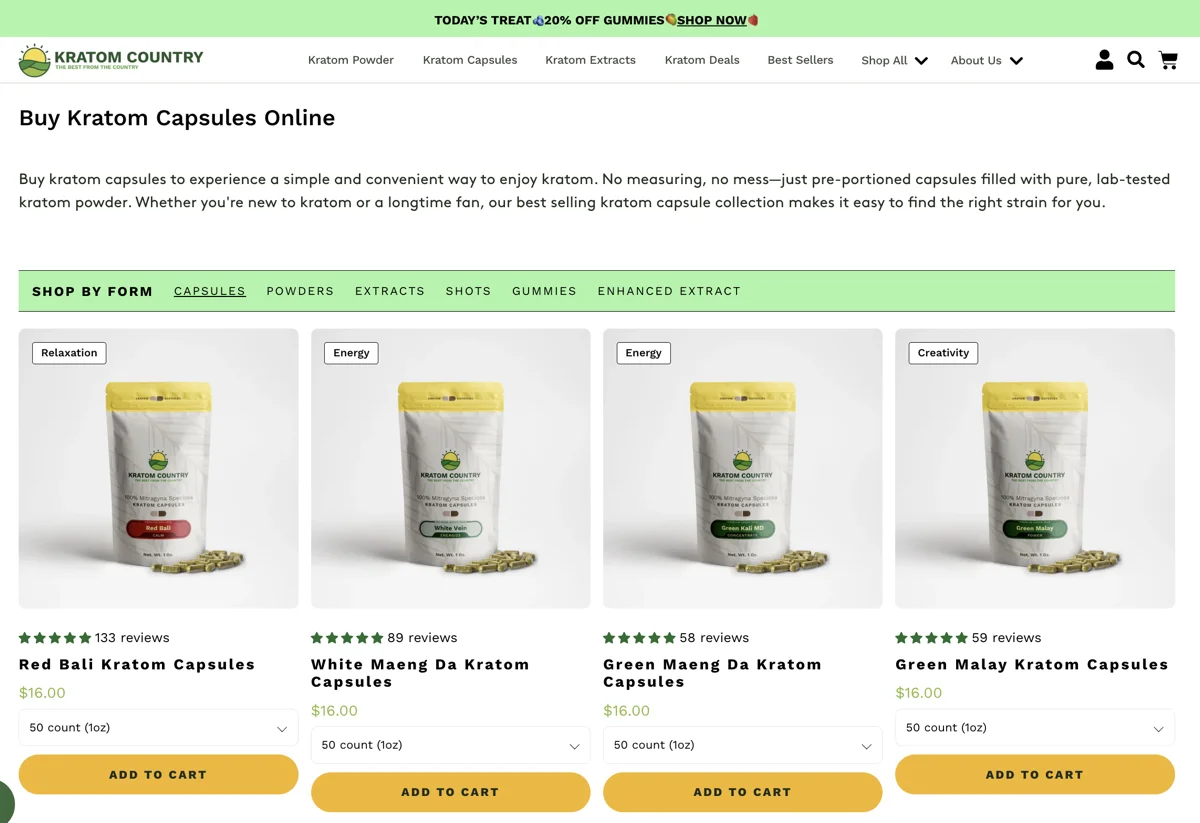
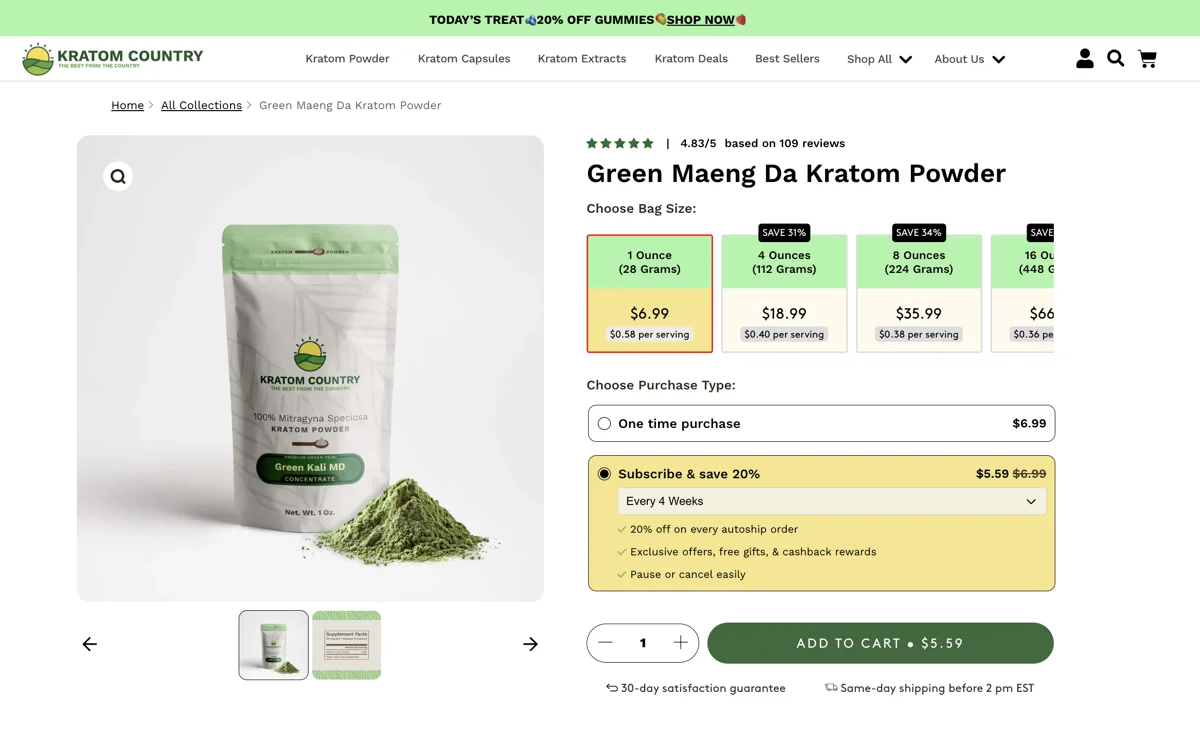
A few views from the migrated storefront to show the production result and structure delivered on the two-week timeline.

Migrations fail when teams underestimate what is really tied to the platform. It is never just product data. It is customer accounts, order logic, app dependencies, URL structure, search visibility, and internal operations that depend on the current store behaving a certain way.
A compressed timeline changes the delivery model. You cannot rely on slow approval loops or loosely defined handoffs. The migration had to be executed with a narrow scope, clear sequencing, and fast technical decisions so launch quality did not collapse under schedule pressure.
The work was structured around the minimum set of systems that had to be correct on day one. That meant moving quickly, but not cutting corners on the parts of the stack that directly touch revenue, fulfillment, and discoverability.
SEO continuity was treated as launch infrastructure, not marketing garnish. The migration included deliberate URL transition planning, redirect logic, and content structure checks so the move from Magento did not unnecessarily burn existing search visibility.
That kind of work is often what separates a clean migration from a costly one. Platform swaps are easy to celebrate on launch day. They are harder to defend if organic traffic collapses two weeks later.
The timeline worked because the project was run as an execution sprint, not an open-ended redesign. We focused on sequence, dependencies, and launch-readiness instead of expanding scope.
We locked scope, mapped the key data structures, stood up the target Shopify environment, and prioritized the integrations and store configurations that would block launch if left too late.
The second week was about validation and launch discipline: workflow testing, redirect verification, final operational checks, and a controlled move to production so the merchant could switch platforms with confidence.
The strongest result here was not a flashy feature. It was a fast migration that shipped on a hard timeline while preserving business continuity in the areas that matter most.
The project moved from Magento to Shopify Advanced inside the target delivery window without turning the final week into uncontrolled cleanup.
The business was able to operate from a cleaner, more maintainable commerce platform with less platform-side overhead than Magento.
Redirect and structure planning were part of the core delivery plan, which is exactly where they belong in a migration like this.
The key to a fast migration is not working recklessly. It is knowing what has to be right on day one, sequencing the work properly, and keeping the launch focused on operational reality.

